

Just $1 a day can change someone's life forever.
〰️
Just $1 a day can change someone's life forever. 〰️
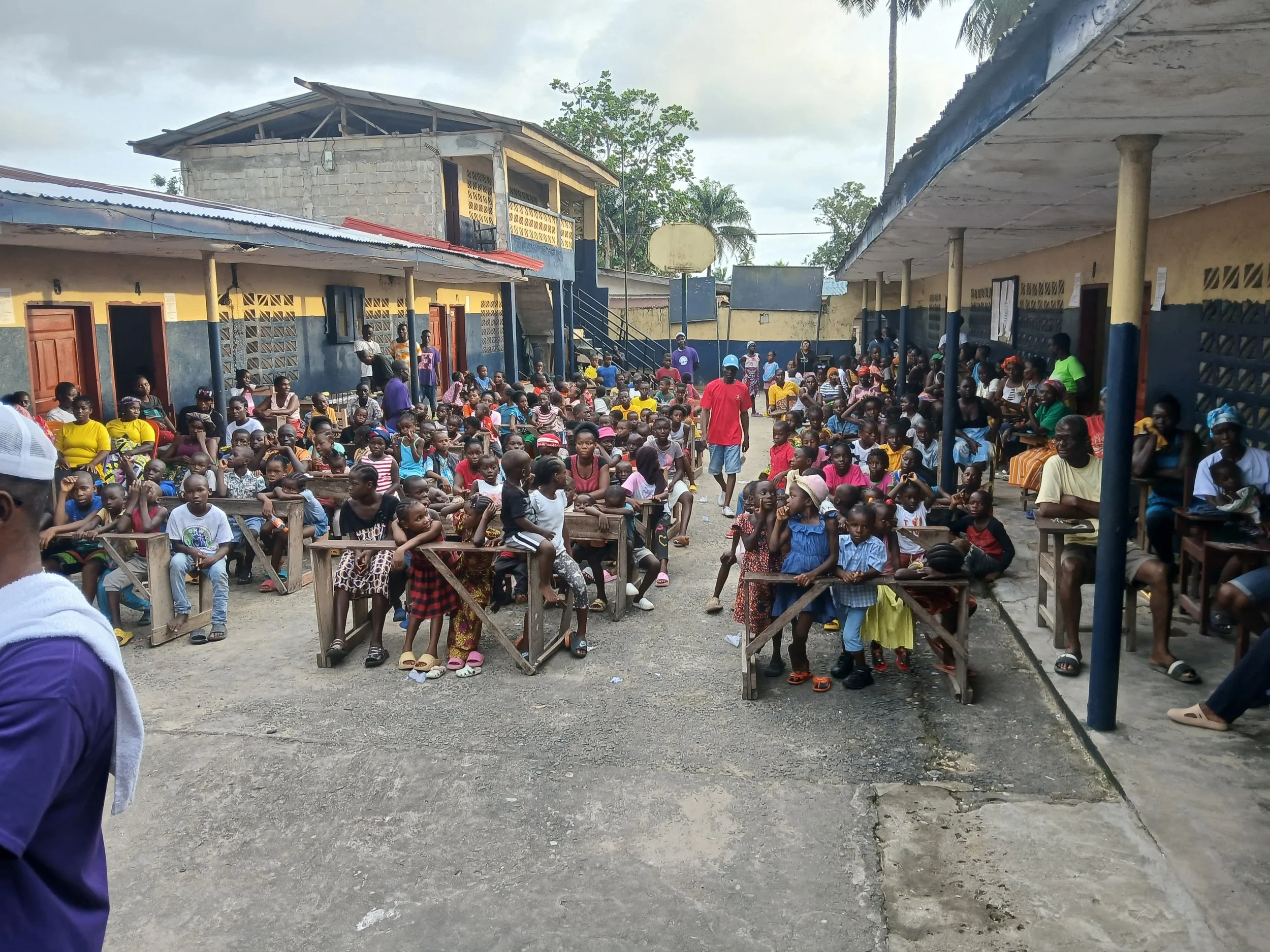
Local community school
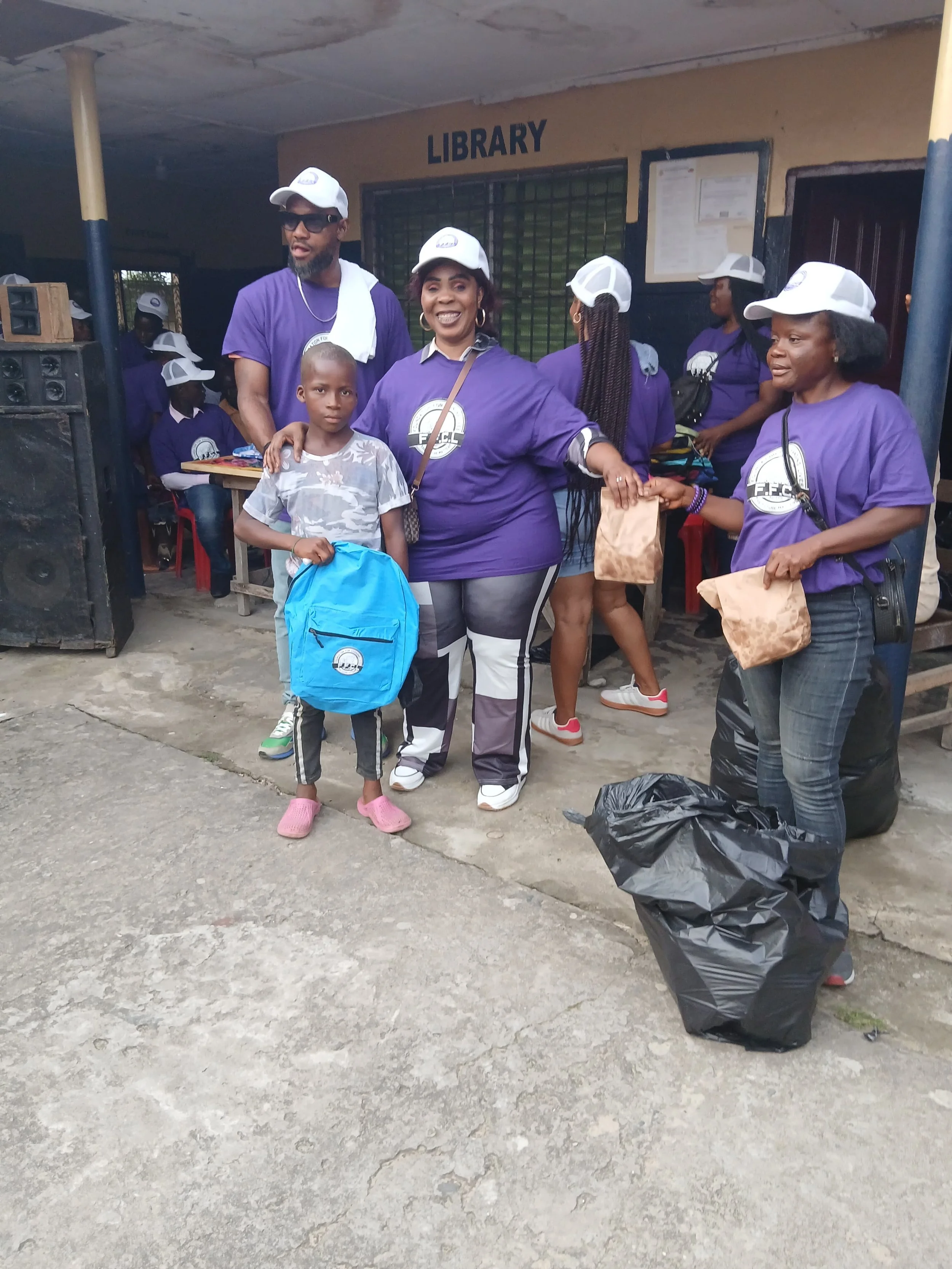
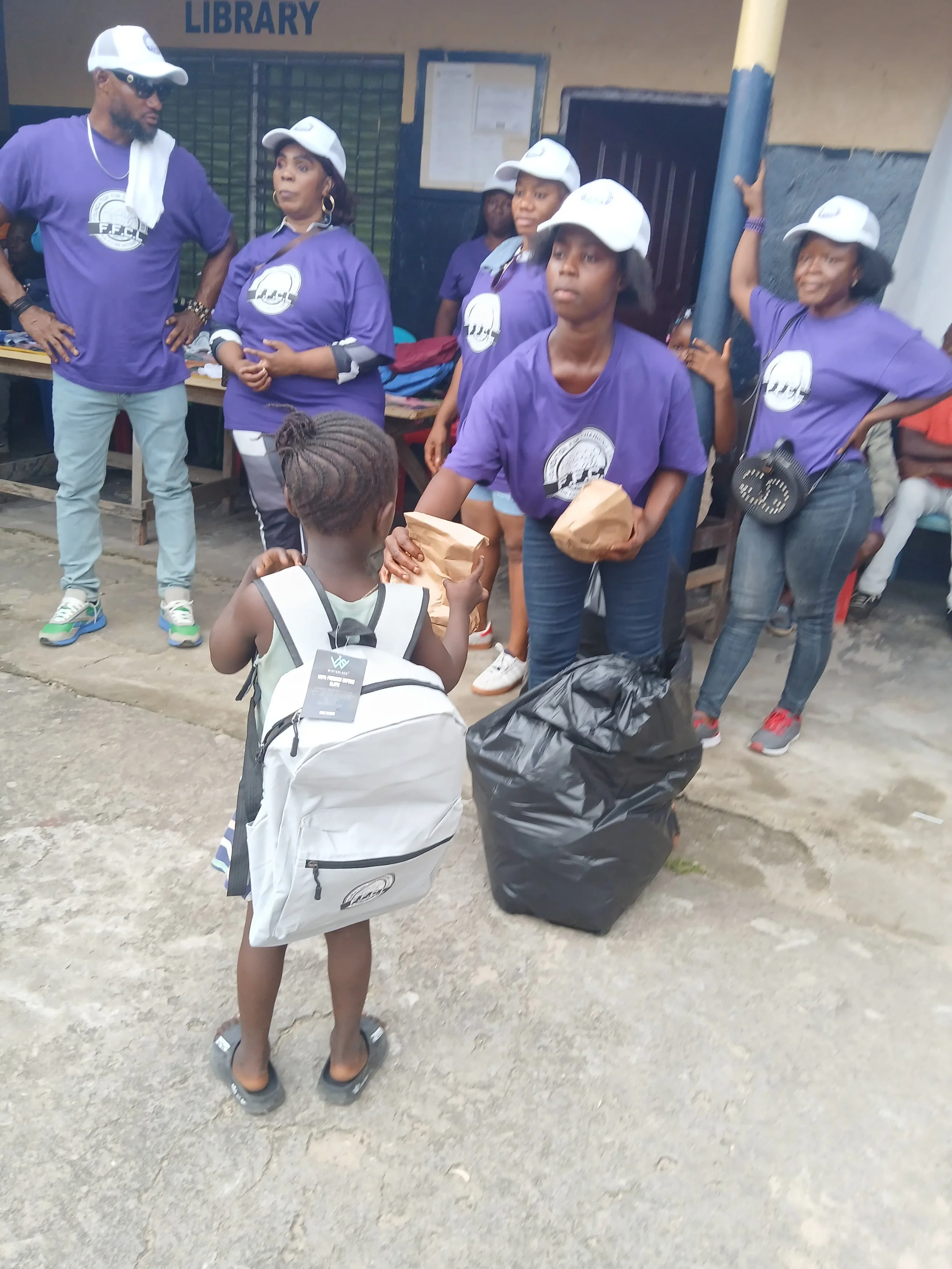
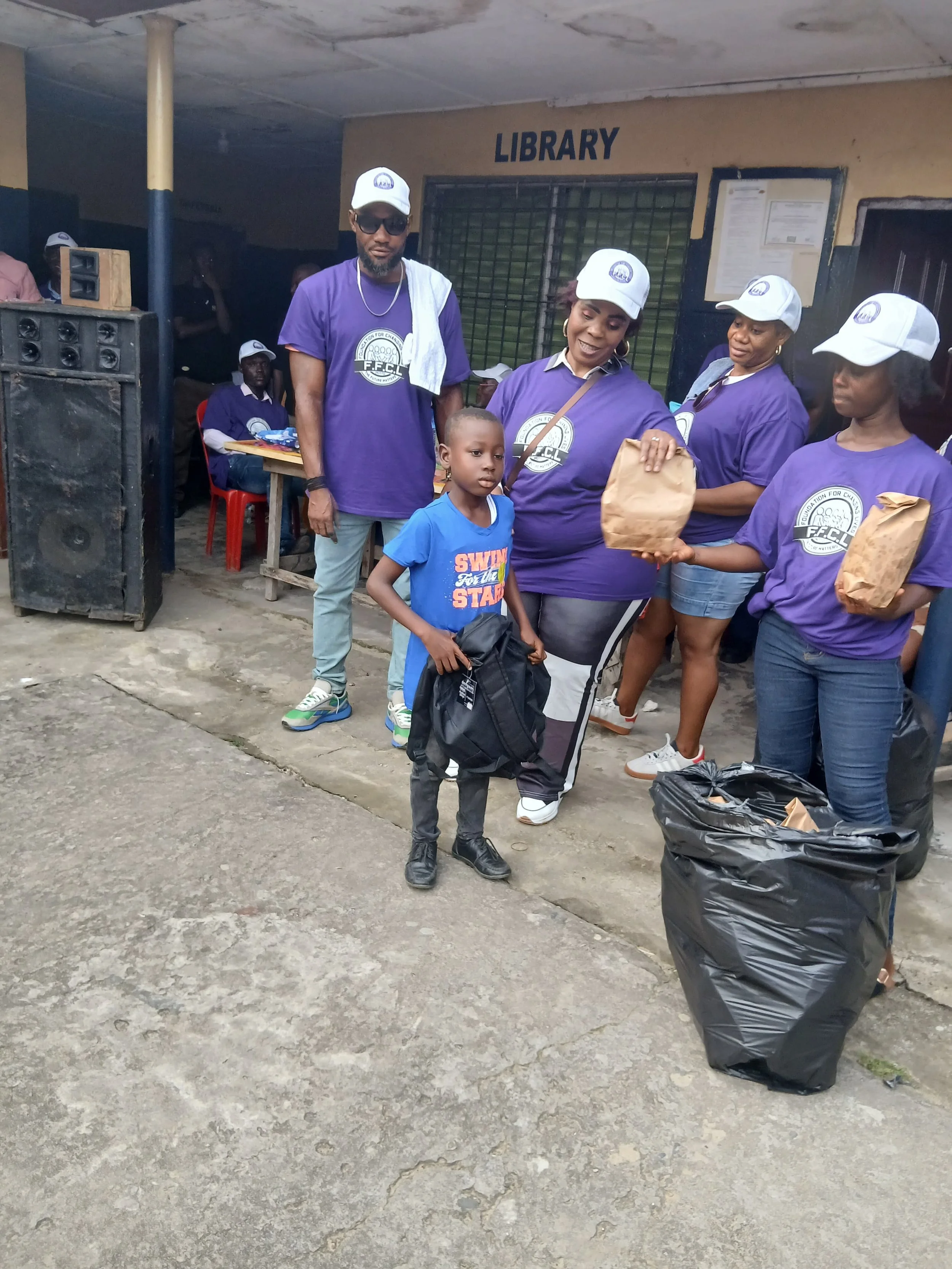
School Donation in Liberia
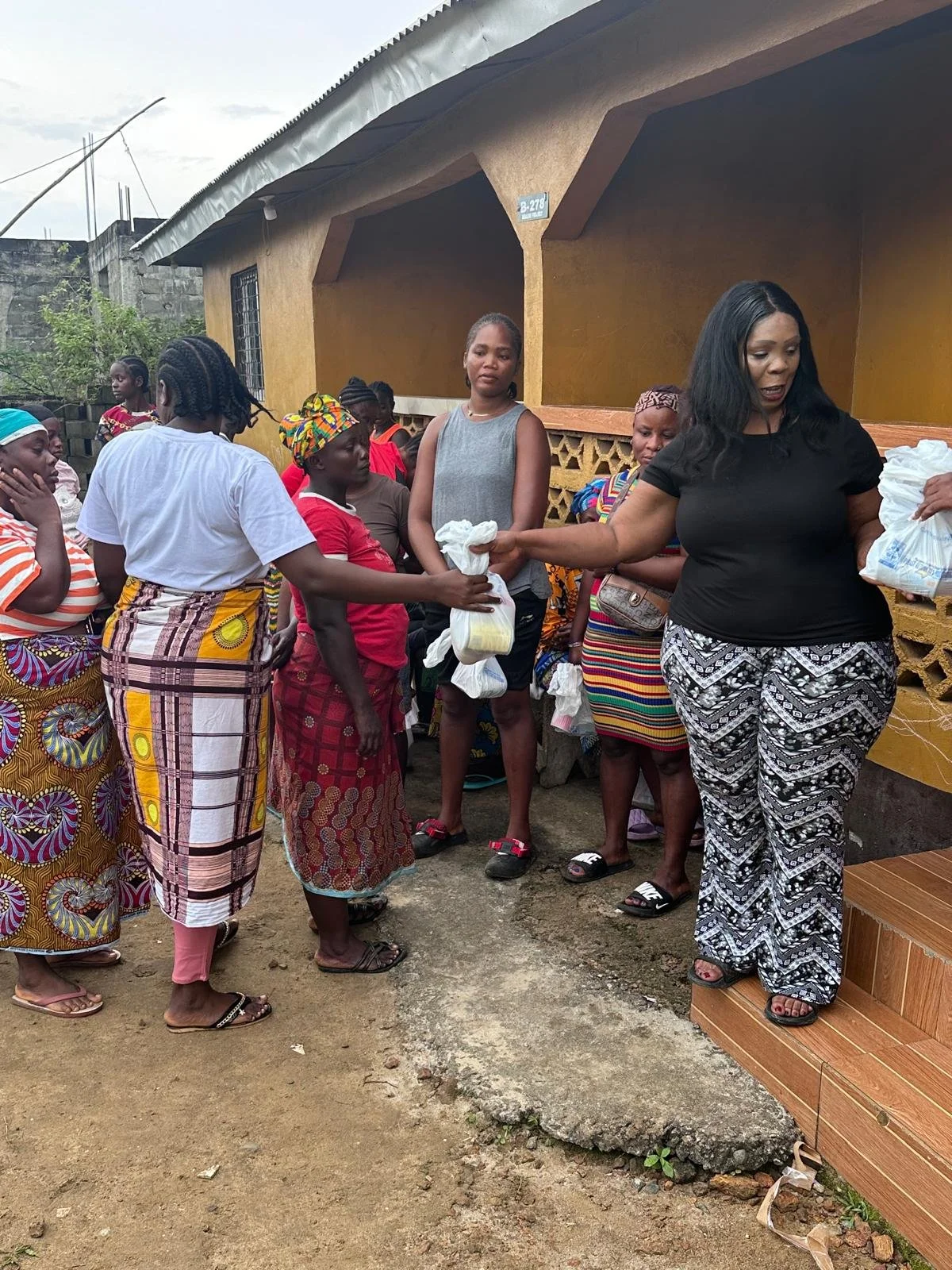
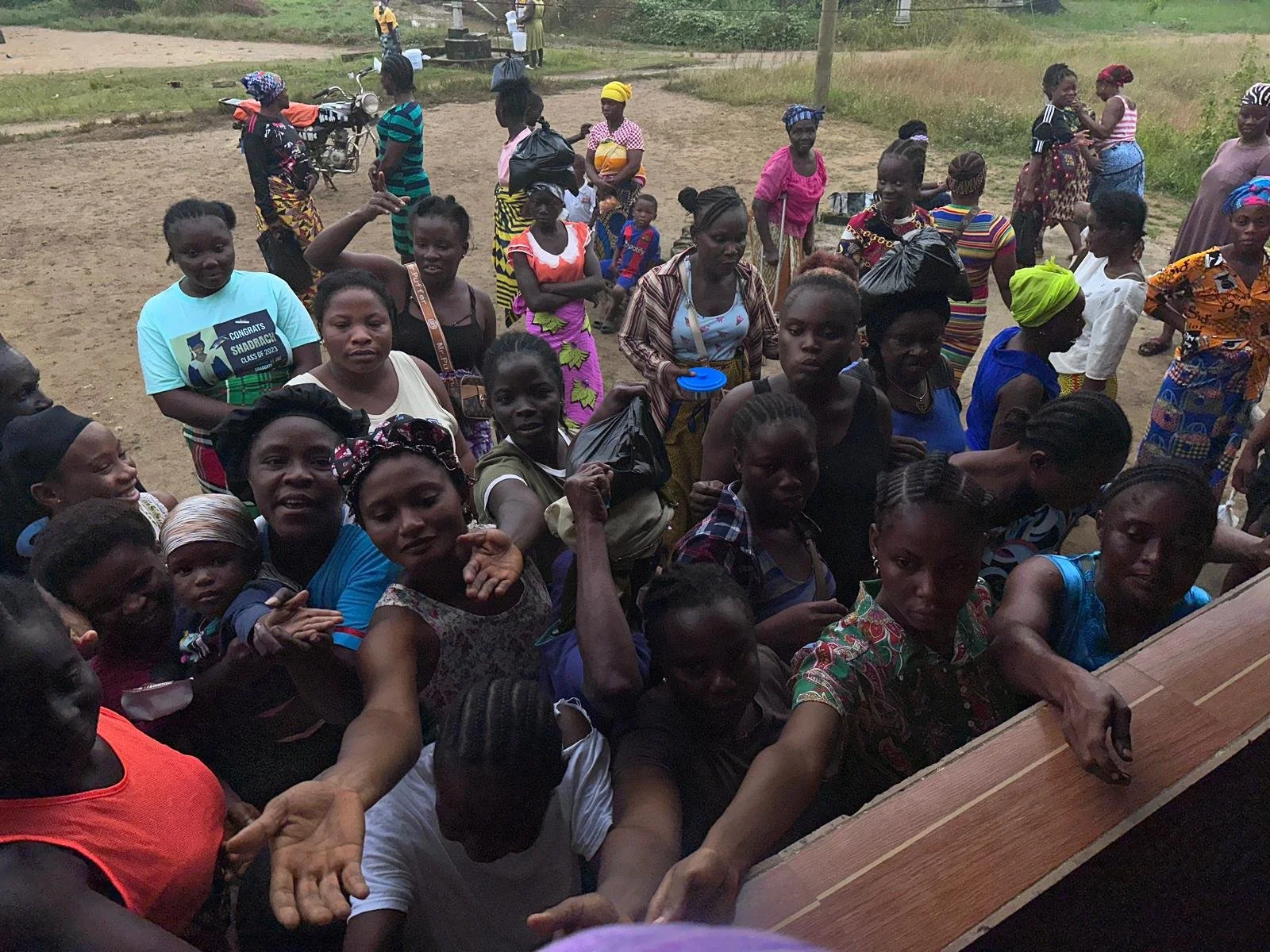
Food donation to the community
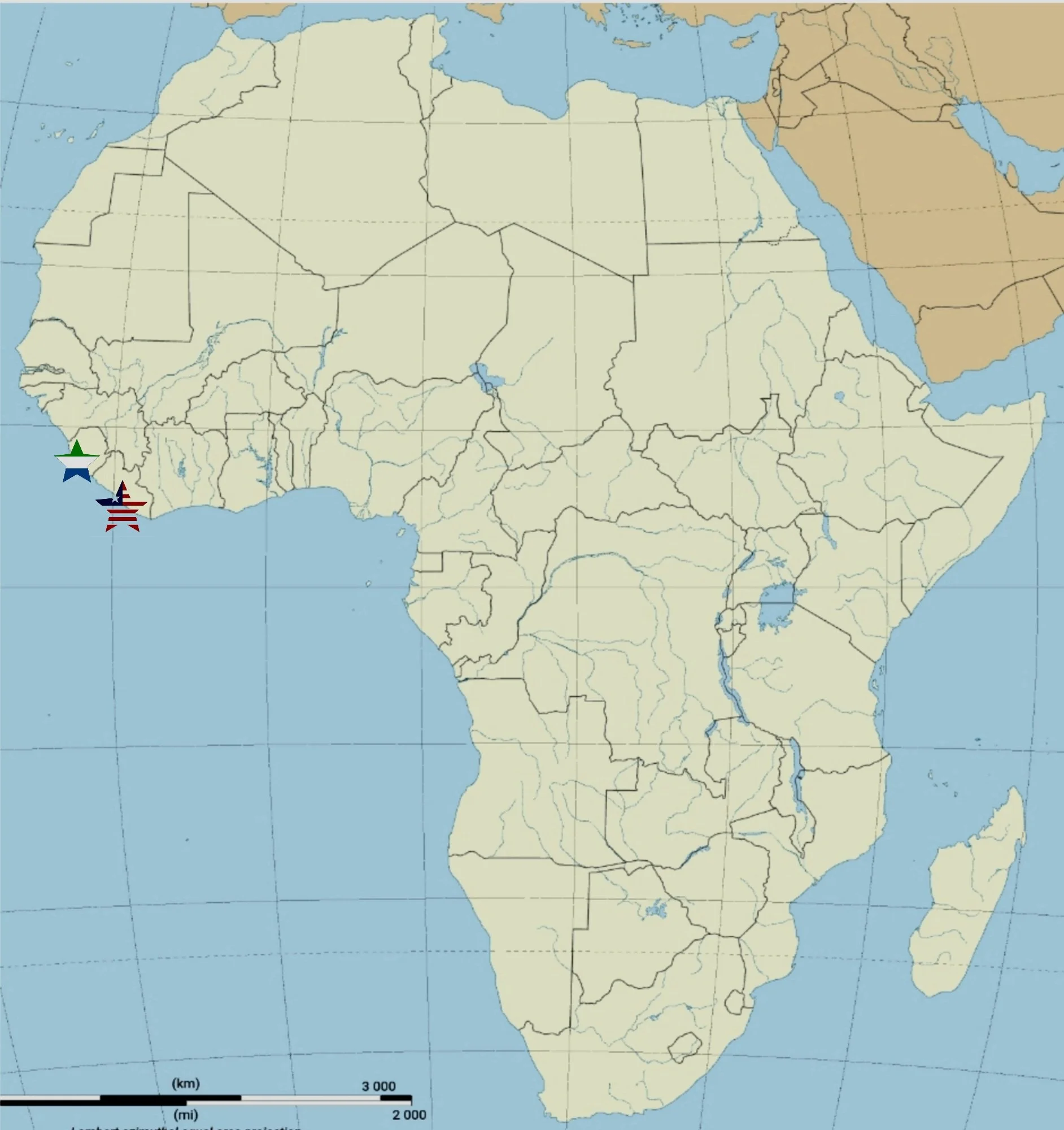
The Foundation For Changing Lives (FFCL) is a non-profit, humanitarian organization committed to transforming the lives of underprivileged children and underserved communities in The West African nations of Liberia and Sierra Leone. With over 3000 ethnic groups belonging to 1.5 billion people, Africa is one of the largest continents. There are thousands of native languages spoken on the continent. Including major languages like French, English, Swahili etc.
The Foundation for Changing Lives
Mission To empower individuals and communities by providing sustainable resources, education, and opportunities that foster long-term well-being and self-sufficiency.
Vision A society where every person has access to the tools, knowledge, and support needed to thrive—regardless of background, income, or geography. Communities where every child has access to qual education and healthcare, and every aspiring farmer is equipped to achieve food security and economic independence.
Core Principles
Dignity: Treat each person with respect and preserve their agency.
Equity: Focus resources and programs on those facing the greatest barriers.
Sustainability: Build solutions that endure and reduce dependence on short-term aid.
Collaboration: Partner with local organizations, leaders, and beneficiaries to create culturally relevant programs.
Accountability: Measure outcomes, share results transparently, and continuously improve.
Strategic Priorities
Education and Skills Development
Early childhood programs to support healthy development and school readiness.
After-school and vocational training that align with local labor market needs.
Scholarship and mentorship initiatives to expand postsecondary access.
Economic Mobility
Job placement, small-business incubation, and microfinance for entrepreneurs.
Financial literacy and coaching to build household savings and credit health.
Workforce development programs that include apprenticeships and employer partnerships.
Health and Well-Being
Mental health services, substance use support, and trauma-informed care.
Preventive health education and access to primary care in underserved areas.
Nutrition and housing stability programs that address basic needs.
Community-Led Development
Grants and technical support for grassroots organizations.
Capacity-building workshops for nonprofit leaders and community advocates.
Participatory grantmaking that includes community members in decision-making.
Systems Change and Policy
Research and advocacy to address structural barriers to opportunity.
Convenings that bring stakeholders together to design cross-sector solutions.
Pilot programs with scalable policy recommendations.
Program Design Approach
Needs Assessment: Use data and community input to identify priorities.
Co-creation: Design programs with beneficiaries and local partners.
Evidence-Based Practices: Implement interventions proven to work and adapt them to context.
Monitoring & Evaluation: Track outputs and outcomes, report findings, and iterate.
Scalability: Pilot, evaluate, and scale effective models with fidelity.
Impact Measurement
Outcomes tracked by measurable indicators (education attainment, employment rates, income changes, health metrics).
Qualitative feedback gathered through interviews and community forums.
Regular public reports on progress, lessons learned, and financial stewardship.
Funding and Sustainability
Diversified funding mix: philanthropic grants, government contracts, corporate partnerships, and community donations.
Endowment and reserve policies to ensure long-term program continuity.
Cost-sharing models that engage beneficiaries and local partners.
Governance
Board of directors with diverse expertise in nonprofit management, finance, community development, and lived experience.
Transparent governance practices, conflict-of-interest policies, and independent audits.
Advisory councils composed of community leaders and program participants.
Volunteer and Partnership Opportunities
Skilled volunteer programs for mentoring, tutoring, and pro bono professional services.
Corporate engagement through employee volunteer days and matched giving.
Academic partnerships for research, evaluation, and student internships.
Call to Action Support Foundation for Changing Lives by volunteering time, contributing funds, or partnering on community-led initiatives. Together we can build pathways that transform short-term relief into lasting opportunity.
Agricultural Development
Build the capacity of farmers and aspiring agripreneurs through training, modern tools, access to inputs, and support for sustainable agricultural practices in Bong and Lofa counties.
Target Groups
Underprivileged children and adolescents in 6th–12th grade
Children with Disability
Orphaned and vulnerable children (OVC)
Low-income families and school communities in rural and peri-urban areas
Women and youth interested in agricultural entrepreneurship
Smallholder farmers and farmer cooperatives in underserved counties
Our Core Values
Compassion: We serve with empathy and humanity.
Equity: We believe in equal opportunities for all.
Integrity: We act with honesty, transparency, and accountability.
Empowerment: We build the capacity of people and communities.
Collaboration: We value partnerships that enhance collective impact.
Geographical Location
The Foundation For Changing Lives will operate in some of these nations’ most developmentally underserved Communities, where access to quality education, healthcare, and agricultural resources remains limited.
Most of these places serve are homes to many slum communities and under-resourced public schools. FFCL focuses on educational and healthcare initiatives for disadvantaged children and adults dealing with drugs abuse. Many students here are unable to complete secondary school due to financial hardship, early pregnancy, or health issues. Our programs aim to address these barriers through scholarships, after-school mentoring, and health outreach.
Communities with vast rural populations and farming potential, FFCL will runs integrated interventions that combine education, health, and agriculture. Schools in remote villages benefit from our education and wellness programs, while farmers and youth receive agricultural training and livelihood support.
In Lofa County, Liberia where agriculture is the main source of livelihood but productivity remains low due to lack of modern techniques and resources, FFCL’s work is focused primarily on agricultural development. We engage farming communities through field schools, cooperatives, and business-skills training to improve food security, promote agribusiness, and reduce poverty.
Together, these counties represent FFCL’s commitment to reaching both urban and rural populations with tailored, community-responsive interventions.

ATTRACTION
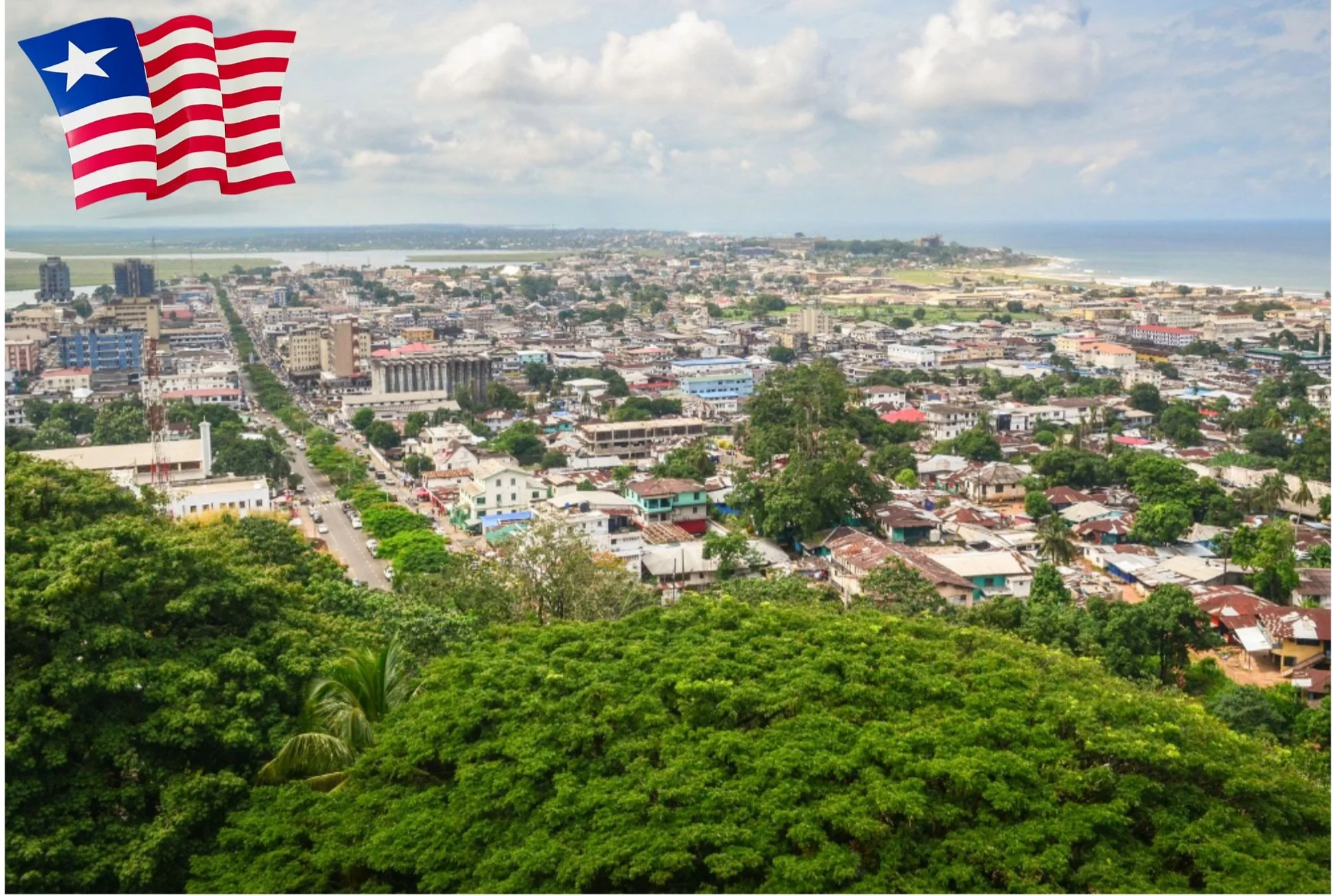
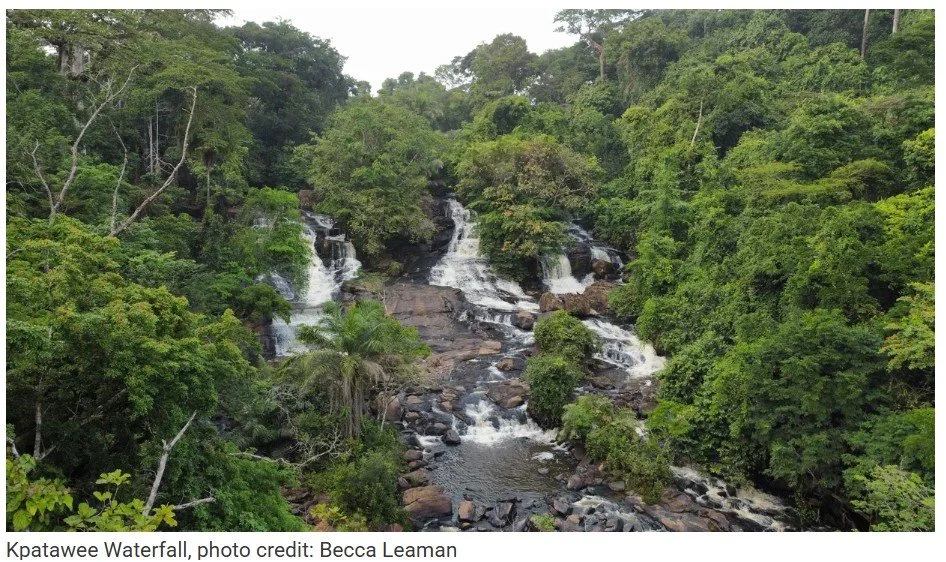



One place the less fortunate child gets cater to…